Hyaluronic Acid
Humectant / Hydrator
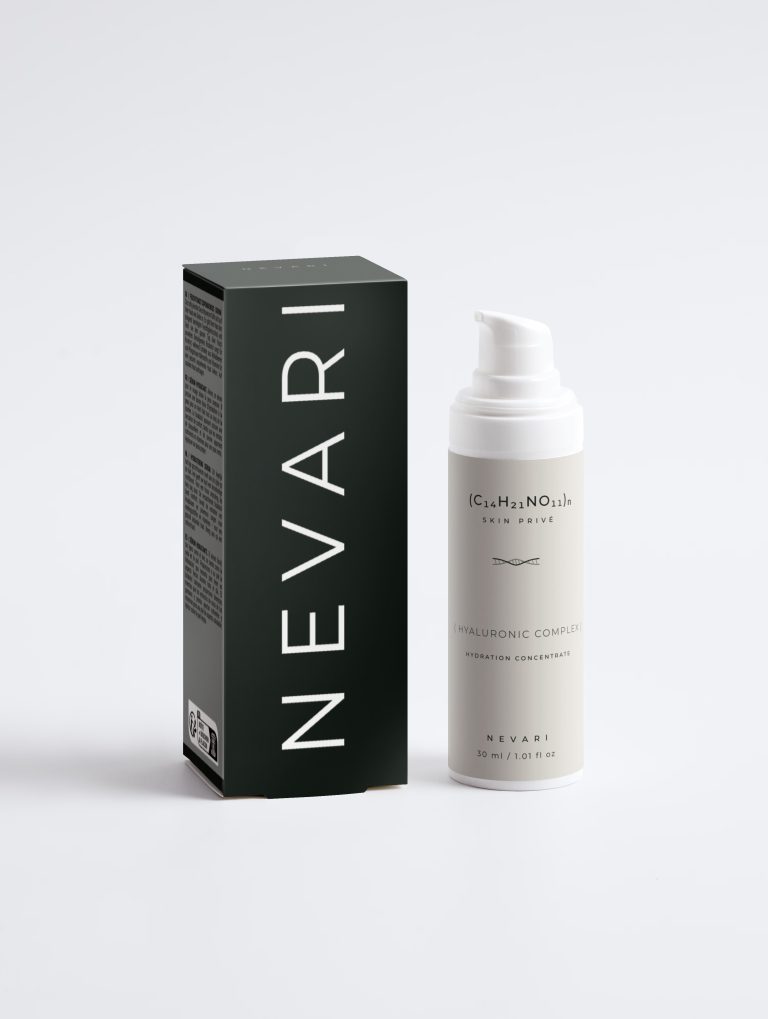
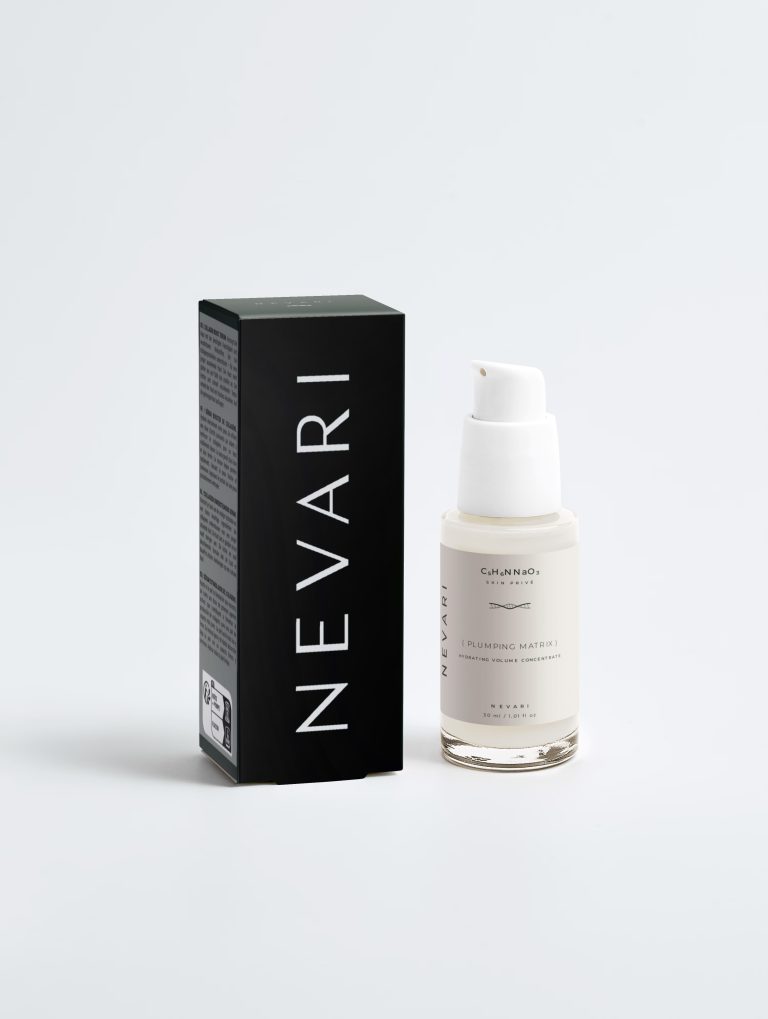
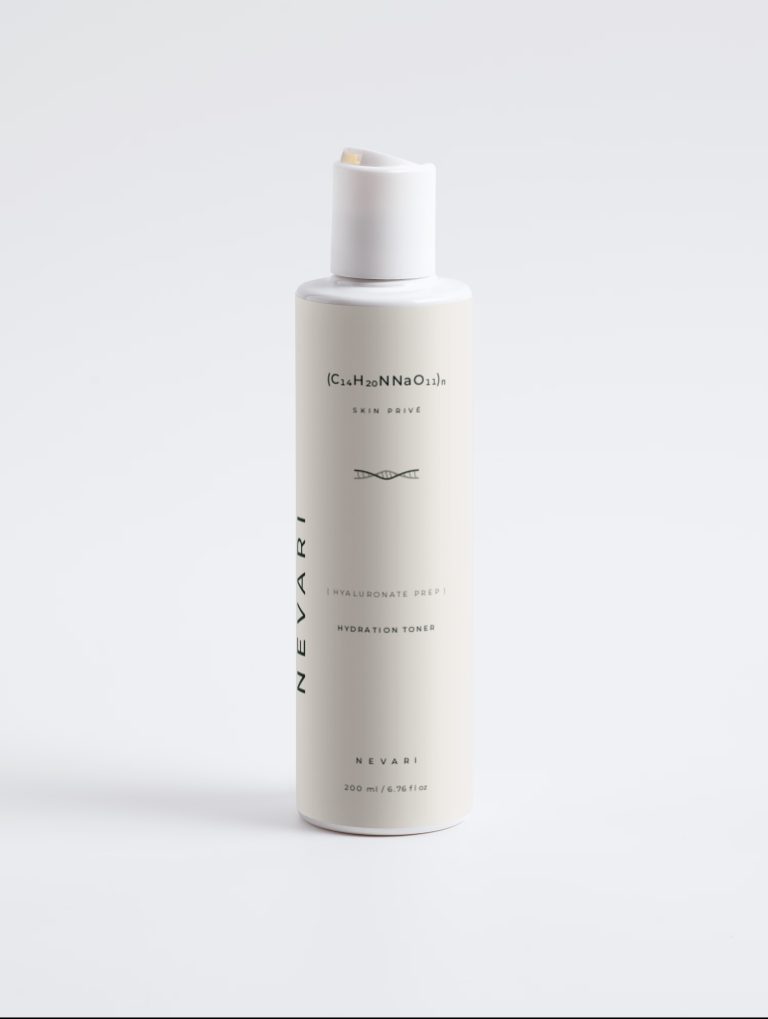
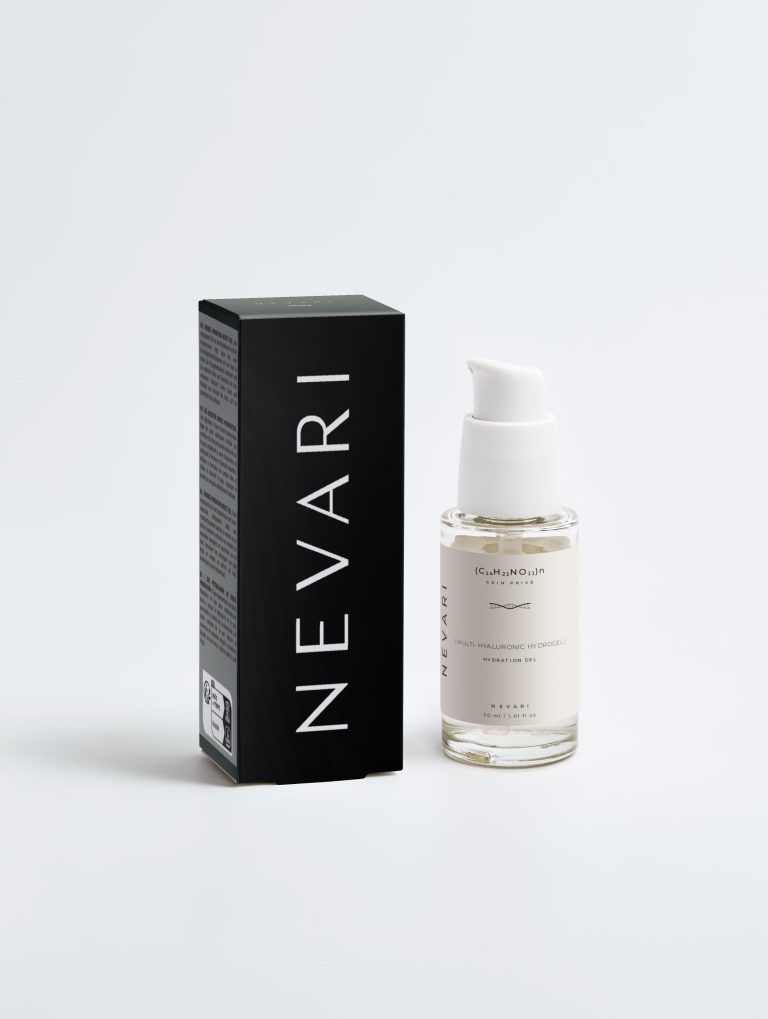
Multi-molecular-weight hydration. Surface plumping at high MW; intradermal hydration at low MW. Improves elasticity and visible smoothness.
Used in: Serums, Toners, Eye Creams, Moisturisers
Reference Dossier
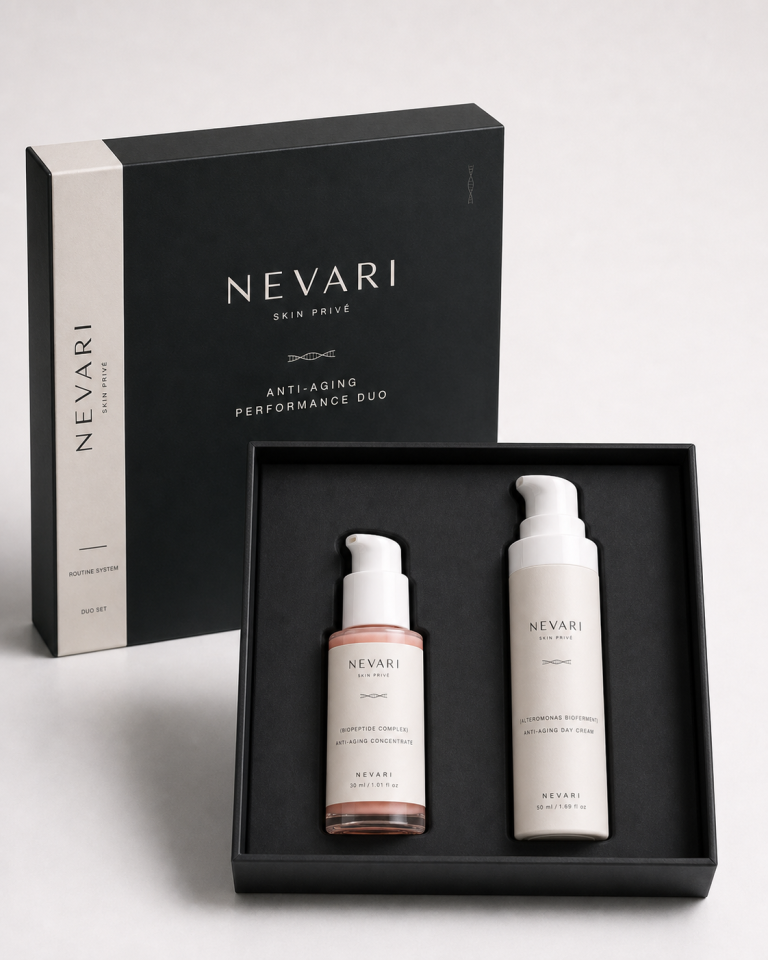
Natural bioengineered actives, dosed at clinical concentration. Every compound below appears in one or more Nevari formulations with full INCI, CAS registry number, and molecular formula.
Multi-molecular-weight hydration. Surface plumping at high MW; intradermal hydration at low MW. Improves elasticity and visible smoothness.
Used in: Serums, Toners, Eye Creams, Moisturisers
Binds 4× the moisture of hyaluronic acid. Forms a breathable film that slows transepidermal water loss.
Used in: Serums, Moisturisers
Universal hydrator. Draws atmospheric and dermal moisture into the stratum corneum, improving softness and barrier flexibility.
Used in: Cleansers, Toners, Lotions, Body Washes
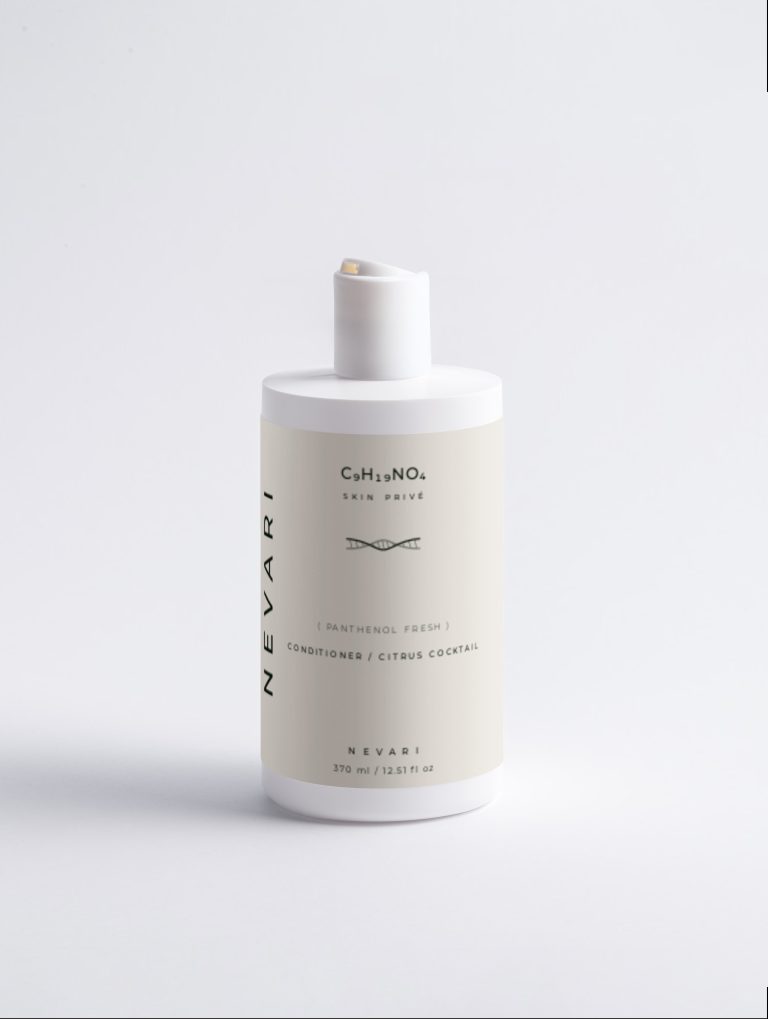
Provitamin alcohol that converts to pantothenic acid in skin. Improves softness, accelerates barrier repair.
Used in: Toners, Moisturisers, Shampoos
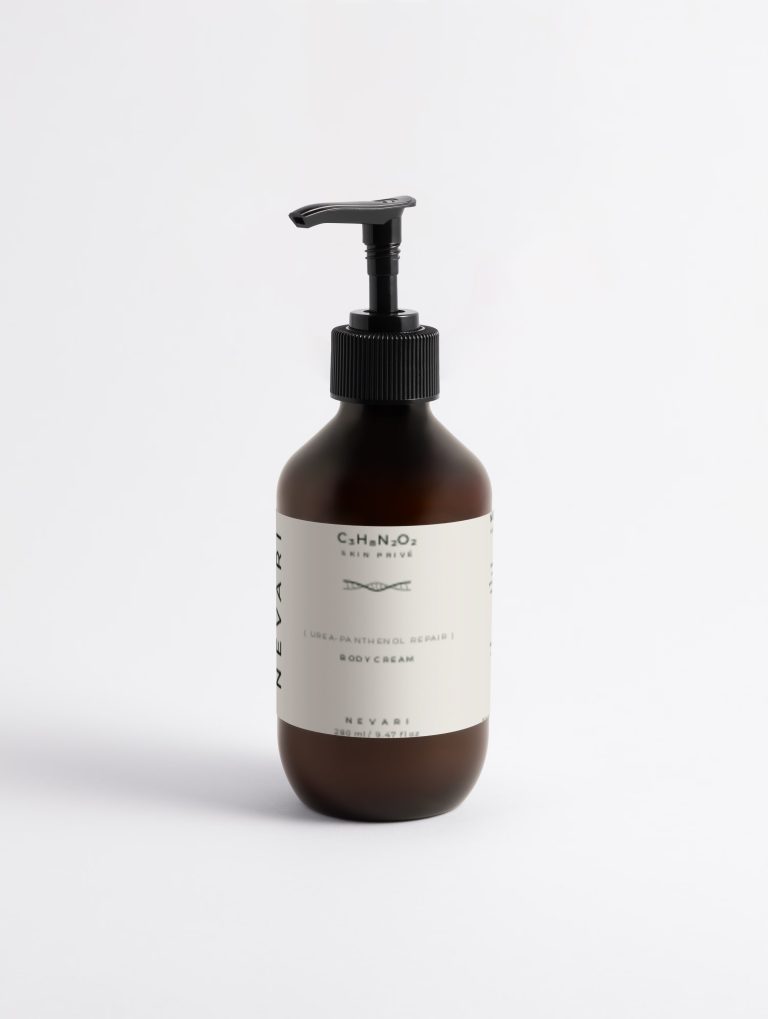
Endogenous component of natural moisturising factor. Hydrates at low concentration; softens hyperkeratosis at higher dose.
Used in: Moisturisers, Hand Creams, Body Lotions
Sodium salt of pyrrolidone carboxylic acid — a primary component of the skin's intrinsic NMF system. Enhances moisture retention at the corneocyte level.
Used in: Toners, Serums
Amide form of nicotinic acid. Refines pore appearance, evens tone, strengthens the lipid barrier, regulates sebum.
Used in: Toners, Serums, Body Serums, Moisturisers
Stable, water-soluble ascorbic acid precursor. Brightens hyperpigmentation, supports collagen synthesis, neutralises free radicals.
Used in: Serums, Body Serums
Pure vitamin C. Highest-potency antioxidant in topical use; cofactor in collagen biosynthesis; inhibits tyrosinase to fade discolouration.
Used in: High-Potency Serums, Boosters
Lipid-soluble antioxidant. Quenches peroxyl radicals, stabilises lipid phases in formulation, supports cutaneous healing.
Used in: Serums, Oils, Sunscreens, Lip Care
Hydroxycinnamic acid. Stabilises ascorbic acid and tocopherol, doubling their photoprotective performance.
Used in: Antioxidant Serums
Stilbene polyphenol. Activates sirtuin pathways linked to cellular longevity; neutralises ROS overnight.
Used in: Night Serums, Eye Creams
Dominant catechin polyphenol. Inhibits MMP-1 collagen-degrading enzymes, modulates UV-induced inflammation.
Used in: Serums, Toners
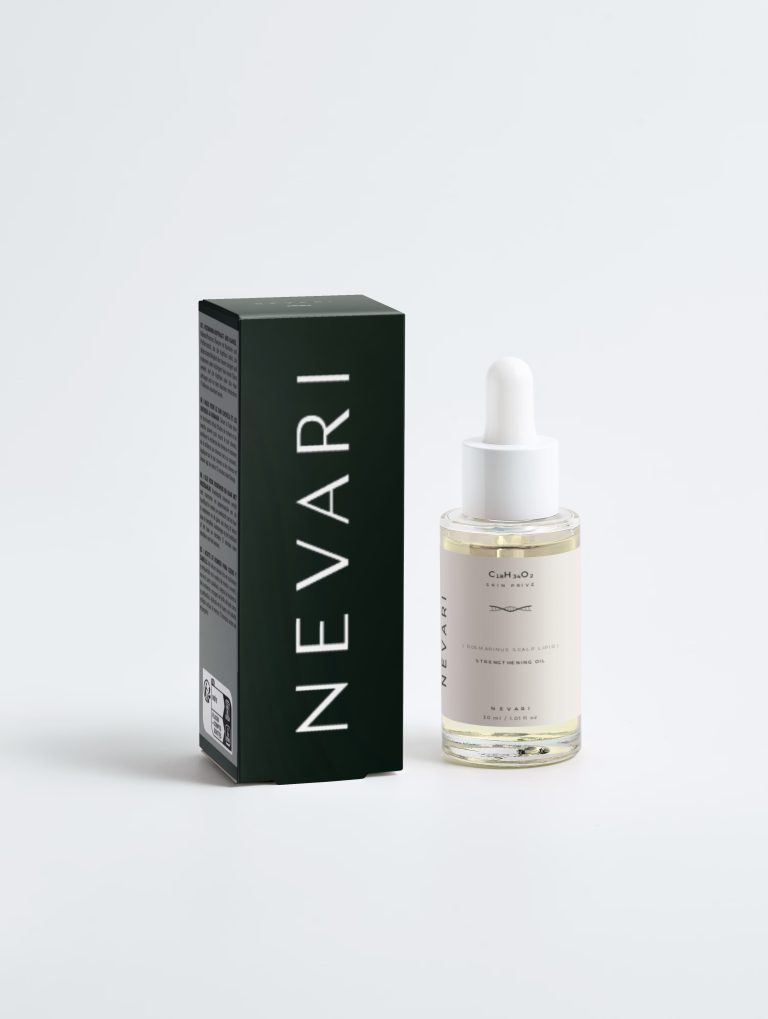
Phenolic diterpene. Activates follicular microcirculation, scavenges scalp free radicals, supports hair-growth signalling.
Used in: Shampoos, Conditioners
Terpene lactone. Improves capillary flow at the dermal-epidermal junction; supports under-eye drainage and tonic recovery.
Used in: Eye Creams, Concentrates
Vitamin A alcohol. Converts to retinoic acid in skin; accelerates corneocyte turnover, stimulates fibroblasts, refines texture.
Used in: Night Serums, Eye Creams
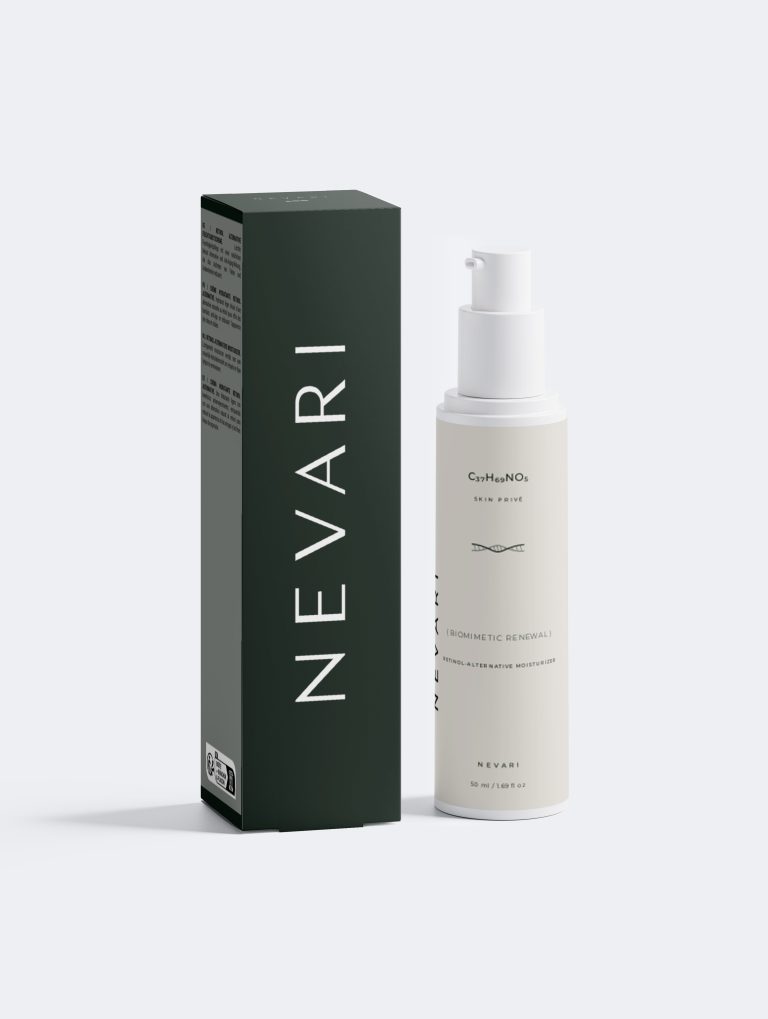
Meroterpene functioning as a retinoid biomimetic. Upregulates collagen Types I, III, IV via the same gene pathway as retinoic acid — without retinoid irritation.
Used in: Night Serums
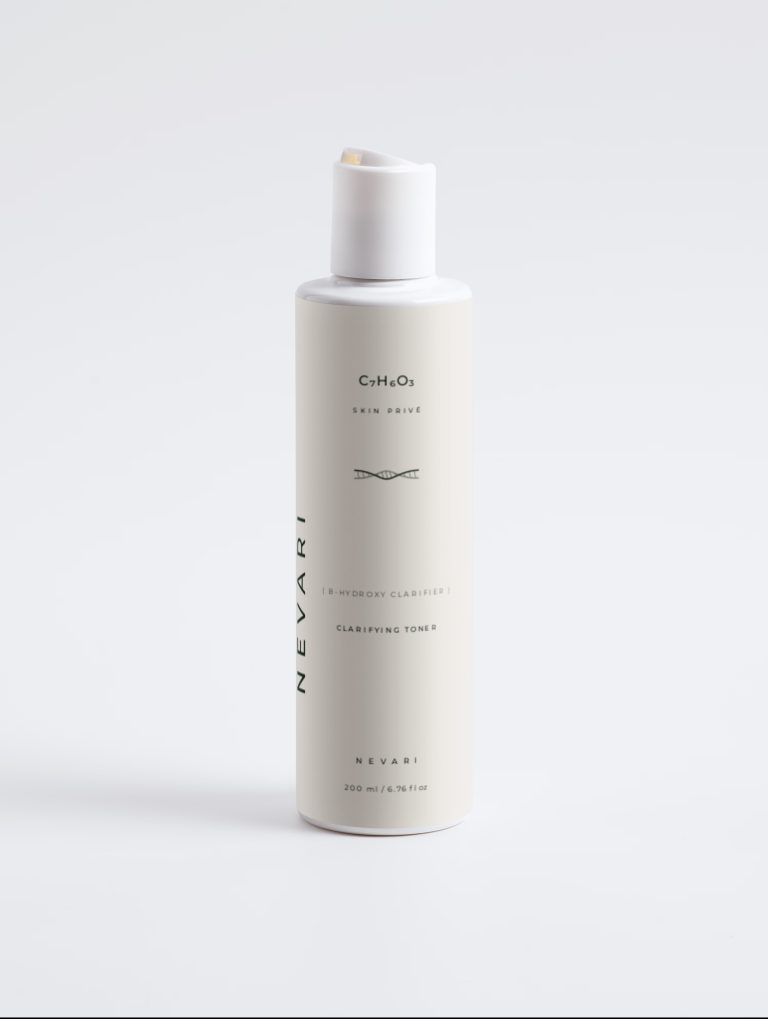
Lipophilic beta-hydroxy acid. Penetrates sebum to dissolve intrapore debris; anti-inflammatory at low concentration.
Used in: Cleansers, Peels
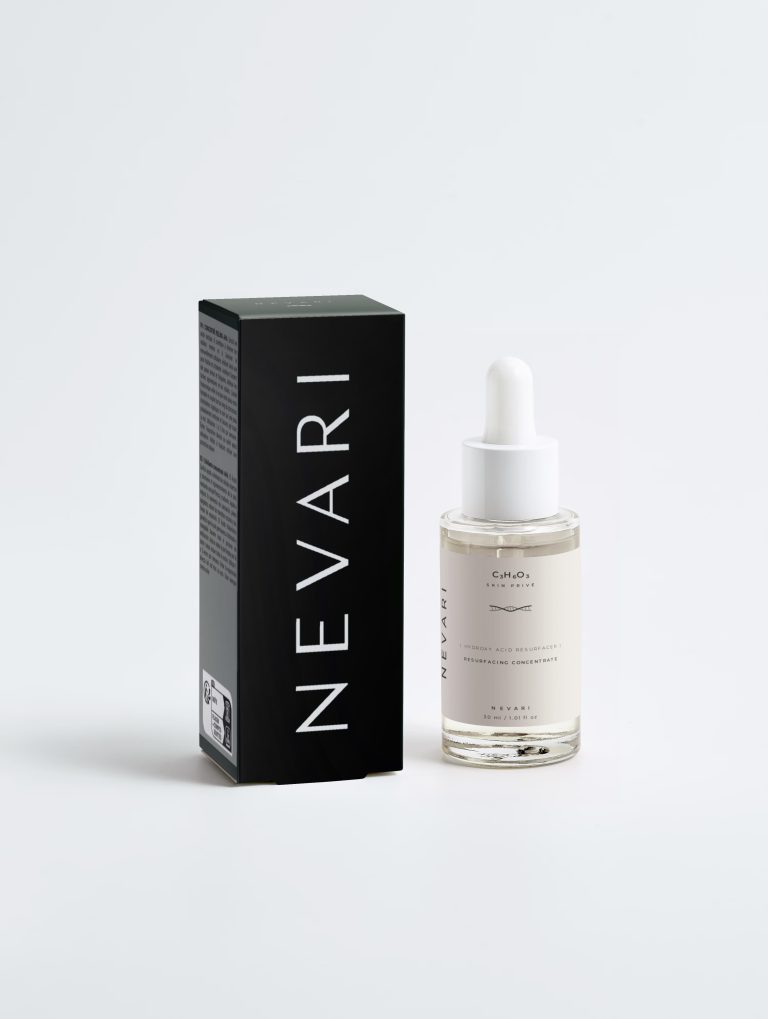
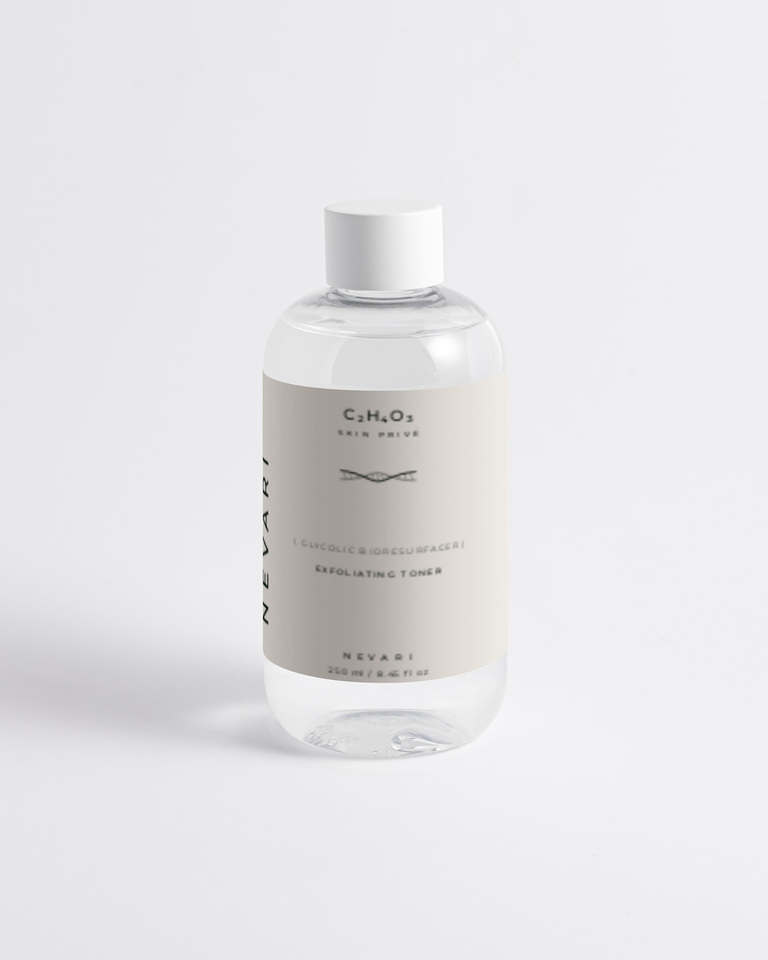
Smallest alpha-hydroxy acid. Loosens corneodesmosomes for rapid surface exfoliation, brightening, and improved penetration of follow-on actives.
Used in: Cleansers, Boosters, Peels
Larger-molecule AHA. Slower penetration than glycolic acid; doubles as a humectant via NMF compatibility.
Used in: Peels, Boosters
Large-molecule AHA with the slowest penetration profile. Brightens without inflammatory PIH risk; ideal for melanin-rich skin.
Used in: Peels, Brightening Serums
Polyhydroxy acid. Larger molecular structure means surface-level resurfacing with no compromise to barrier integrity. Suitable for daily use on sensitive skin.
Used in: Toners, Gentle Peels
Dicarboxylic acid. Inhibits tyrosinase to fade post-inflammatory hyperpigmentation, normalises follicular keratinisation, anti-inflammatory.
Used in: Boosters, Spot Treatments
SNAP-25 inhibiting peptide. Attenuates the neurotransmitter signal that drives repetitive expression contraction; visibly softens dynamic lines.
Used in: Firming Serums, Day Creams, Eye Creams
Matrikine fragment of collagen Type I. Triggers fibroblast feedback to synthesise new collagen, fibronectin and hyaluronan.
Used in: Firming Serums, Eye Creams
Downregulates interleukin-6 to reduce glycation-driven inflammation. Often paired with Palmitoyl Tripeptide-1 in Matrikine-class systems.
Used in: Firming Serums, Eye Creams
Endogenous copper-binding tripeptide (GHK-Cu). Activates antioxidant defense enzymes; supports glycosaminoglycan synthesis and dermal remodelling.
Used in: Concentrates, Recovery Serums
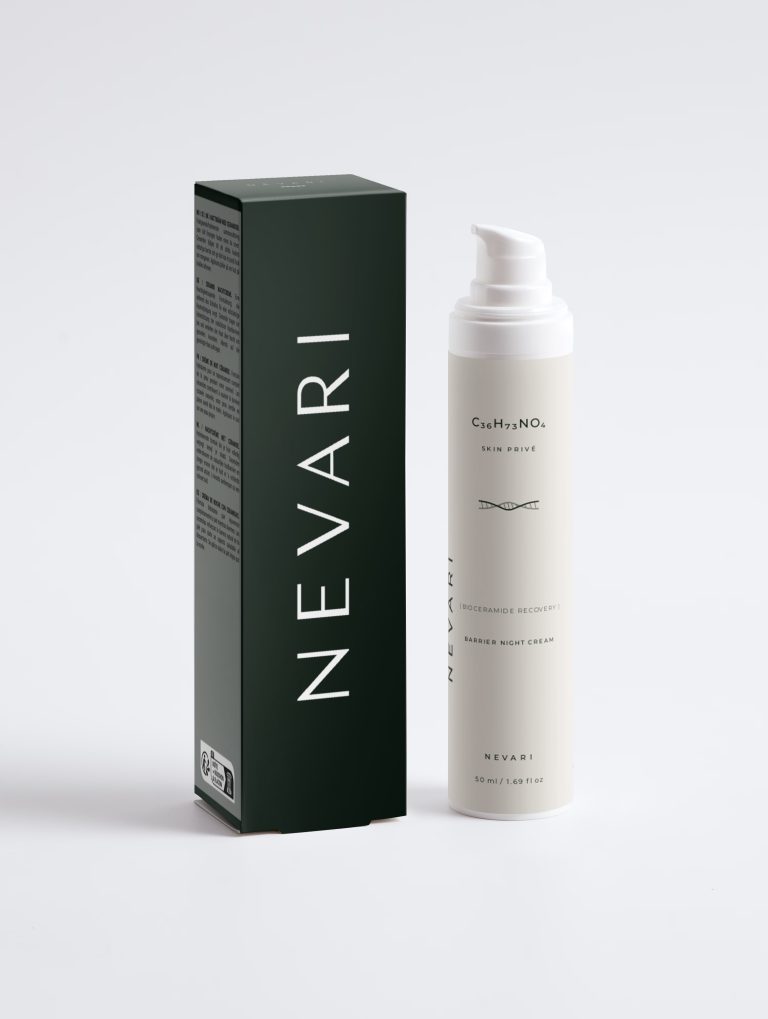
Native epidermal ceramide. Reconstitutes the intercellular lipid lamellae that constitute approximately 50% of stratum-corneum lipids.
Used in: Serums, Night Creams, Body Lotions
Sphingoid base precursor to endogenous ceramides. Encourages the skin's own ceramide biosynthesis; antimicrobial against pore-resident bacteria.
Used in: Moisturisers, Eye Creams
Saturated, oxidatively stable analogue of skin's intrinsic squalene. Reinforces the barrier with a non-comedogenic, weightless lipid film.
Used in: Serums, Oils, Lotions, Conditioners
Long-chain wax ester profile that closely matches human sebum composition. Balances sebum output without comedogenicity.
Used in: Facial Oils, Conditioners, Night Creams
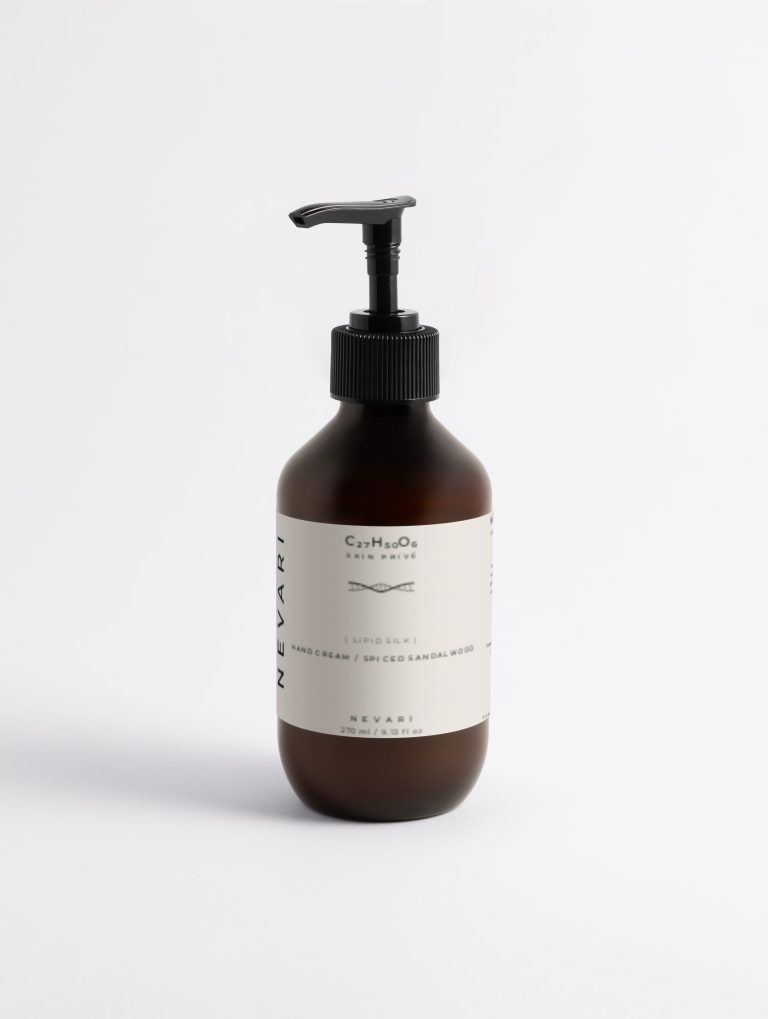
Stearic / oleic triglyceride matrix. Forms a flexible occlusive layer for intense moisture retention and cold-weather protection.
Used in: Body Lotions, Hand Creams, Lip Care
Linoleic / linolenic acid matrix with bound tocopherols and trans-retinoic-acid precursors. Improves discolouration and texture irregularity over time.
Used in: Facial Oils, Night Serums
Lysine analogue. Interrupts the plasmin–prostaglandin axis that drives UV-triggered melanogenesis. Addresses melasma and persistent hyperpigmentation.
Used in: Brightening Serums
Triterpene saponin. Stimulates fibroblast proliferation and collagen synthesis; calms erythema and supports barrier recovery.
Used in: Serums, Moisturisers, Cleansers
Pentacyclic triterpene. Suppresses TNF-α and other pro-inflammatory cytokines; accelerates re-epithelialisation post-resurfacing.
Used in: Recovery Serums, Post-Procedure Care
Non-psychoactive cannabinoid. Modulates the cutaneous endocannabinoid system; reduces neurogenic inflammation, sebum dysregulation, and reactive flushing.
Used in: Cannabinoid Complex Booster, Recovery Serums
Monocyclic sesquiterpene alcohol. Inhibits leukotriene biosynthesis; reduces UV-induced erythema and skin reactivity.
Used in: Sensitive Skin Serums, Moisturisers
Acetylated mannose polysaccharide. Forms a hydrophilic protective film, soothes thermal stress, supports immune-cell migration during recovery.
Used in: Cleansers, Body Washes, Sunscreens
Polysaccharide chain. Activates Langerhans cells, supports cutaneous immunity, accelerates barrier recovery post-aggression.
Used in: Recovery Serums, Sensitive-Skin Moisturisers
Uric-acid derivative. Promotes cellular proliferation and gentle keratolysis; soothes mechanical or chemical irritation.
Used in: Serums, Hand Creams, Boosters
Cyclic monoterpenoid alcohol. Antimicrobial against C. acnes and follicular yeast; refines blemish-prone skin without stripping the barrier.
Used in: Spot Treatments, Clarifying Cleansers
Zinc salt of pyrrolidone carboxylic acid. Modulates 5α-reductase activity to normalise sebum output; antimicrobial.
Used in: Toners, Serums
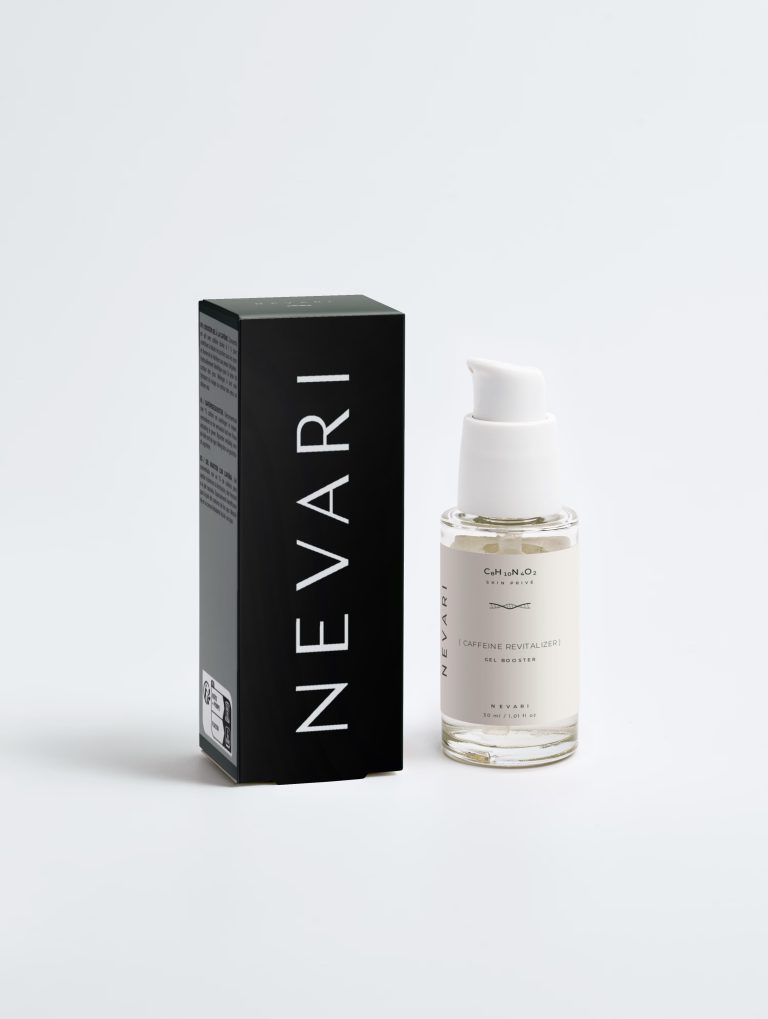
Methylxanthine alkaloid. Vasoconstricts dilated periorbital capillaries; reduces puffiness and the appearance of dark circles.
Used in: Eye Creams, Concentrates
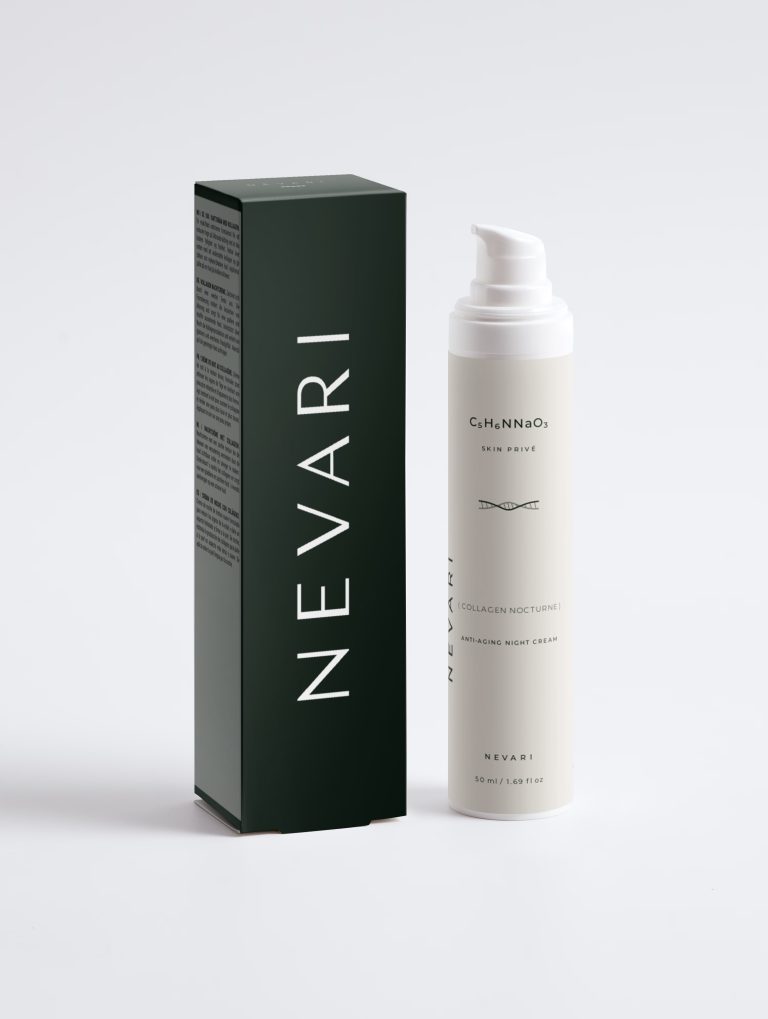
Enzymatically fragmented collagen peptides. Surface humectant and film-former; signals support for fibroblast collagen synthesis.
Used in: Serums, Moisturisers
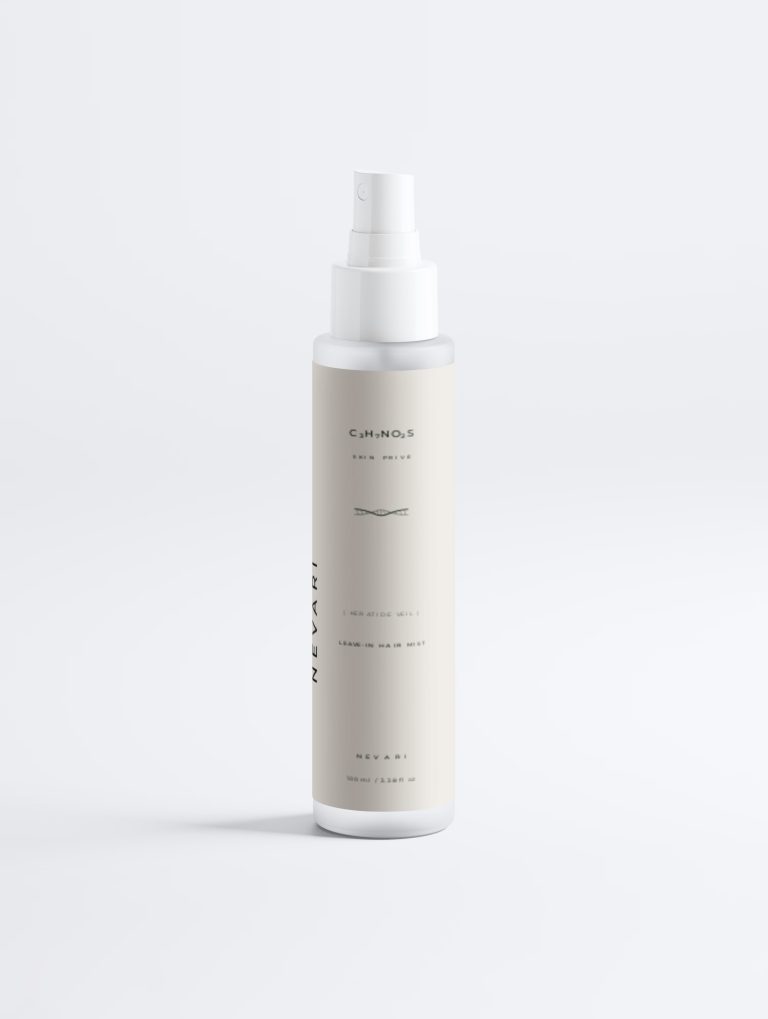
Cysteine-rich protein fragments. Diffuse into damaged cortex sites to restore tensile strength; smooth the cuticle.
Used in: Shampoos, Conditioners
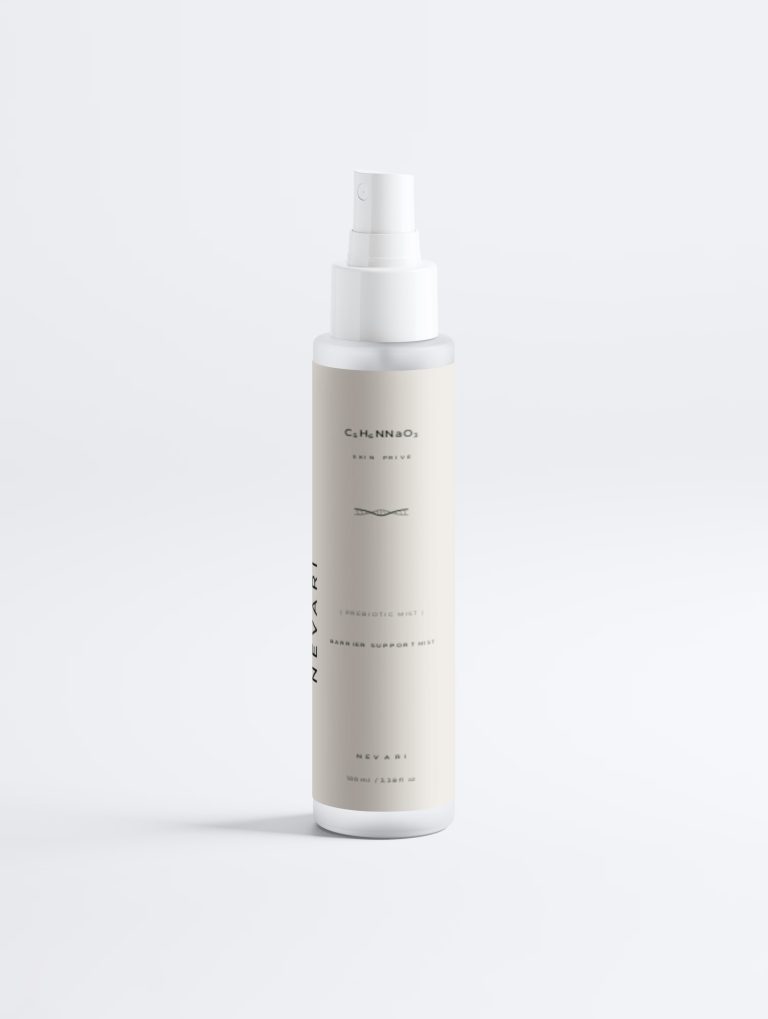
Prebiotic oligosaccharide. Selectively feeds beneficial commensals (S. epidermidis); rebalances dysbiotic skin flora.
Used in: Cleansers, Serums, Moisturisers
Cyclic amino-acid derivative biosynthesised by halophilic bacteria. Forms a hydration shell around cellular proteins; defends against UV, pollution, and osmotic stress.
Used in: Sunscreens, Sensitive Skin Products
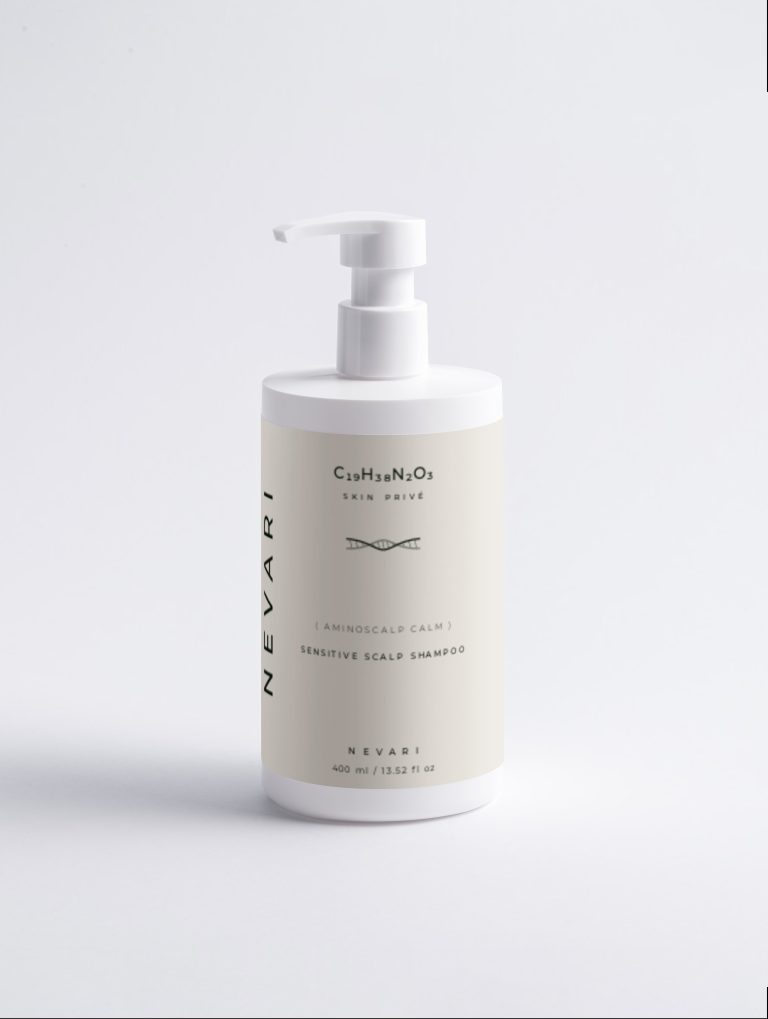
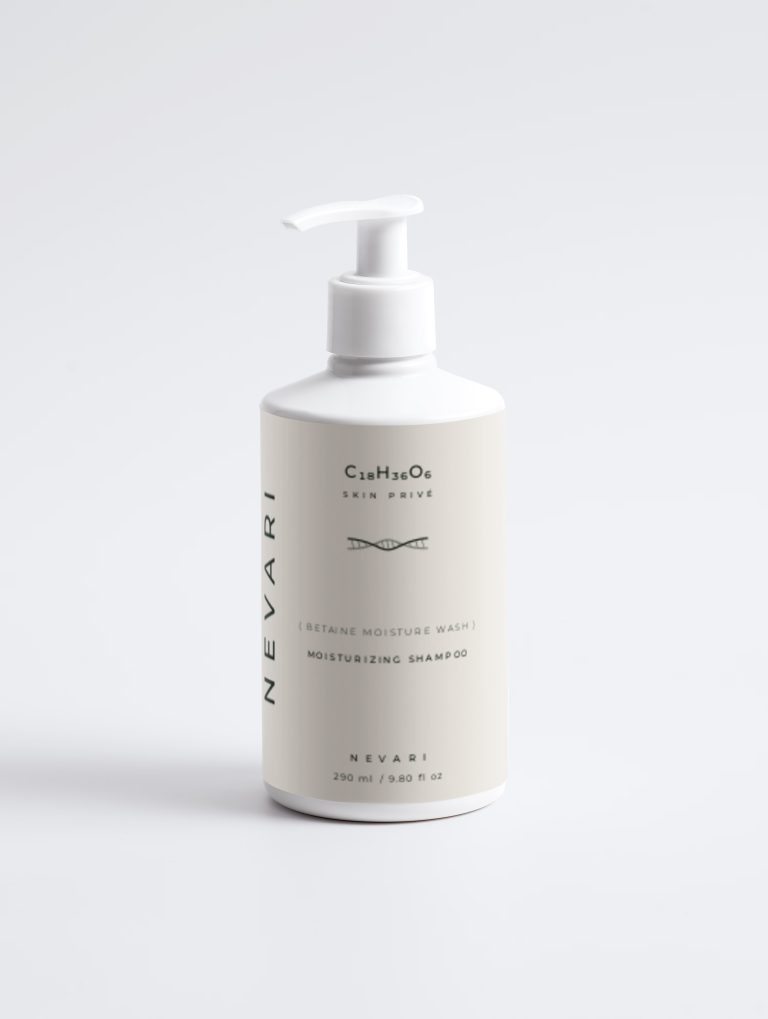
Zwitterionic osmoprotectant. Equalises cellular osmotic pressure post-cleansing; restores comfort to compromised skin.
Used in: Toners, Cleansers